The way we design and experience our homes is evolving rapidly. In 2026, modern home design is no longer just about aesthetics—it blends functionality, sustainability, technology, and emotional comfort to create spaces that truly enhance everyday living.
Whether you are planning to build a new house or renovate an existing one, understanding the latest design trends can help you create a home that feels contemporary today and timeless for years to come.
1. Warm Minimalism Replaces Cold, Sterile Spaces
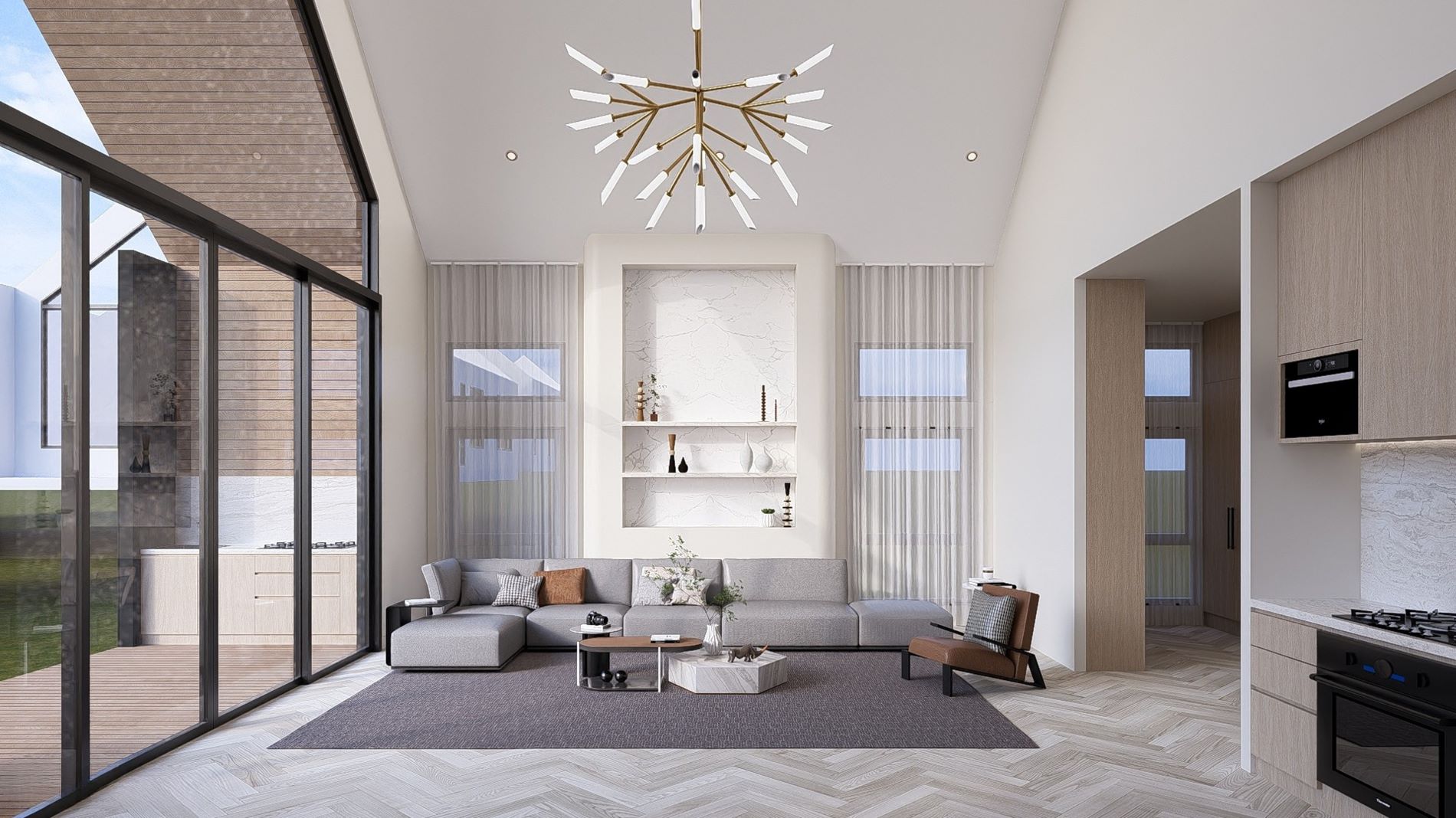
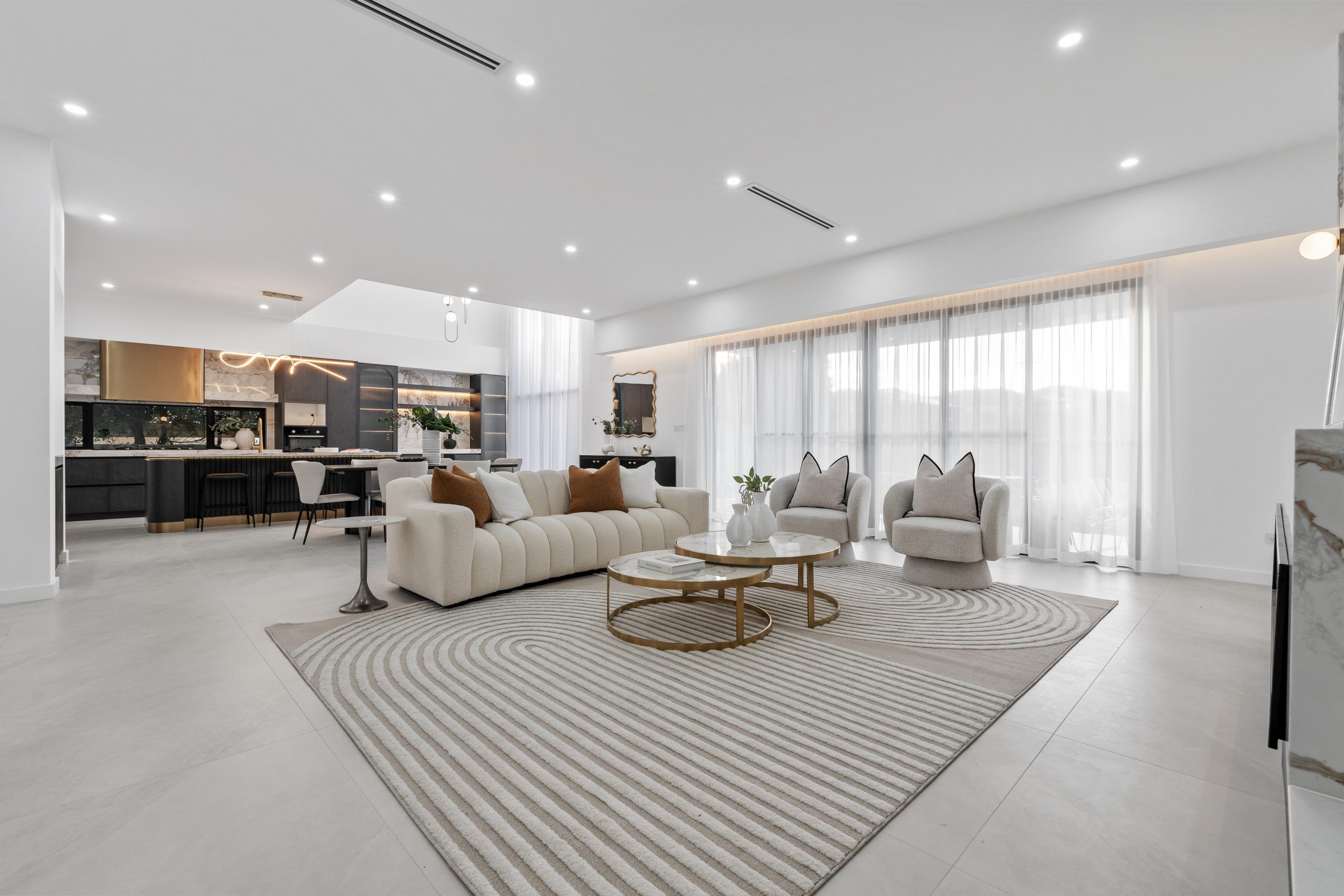
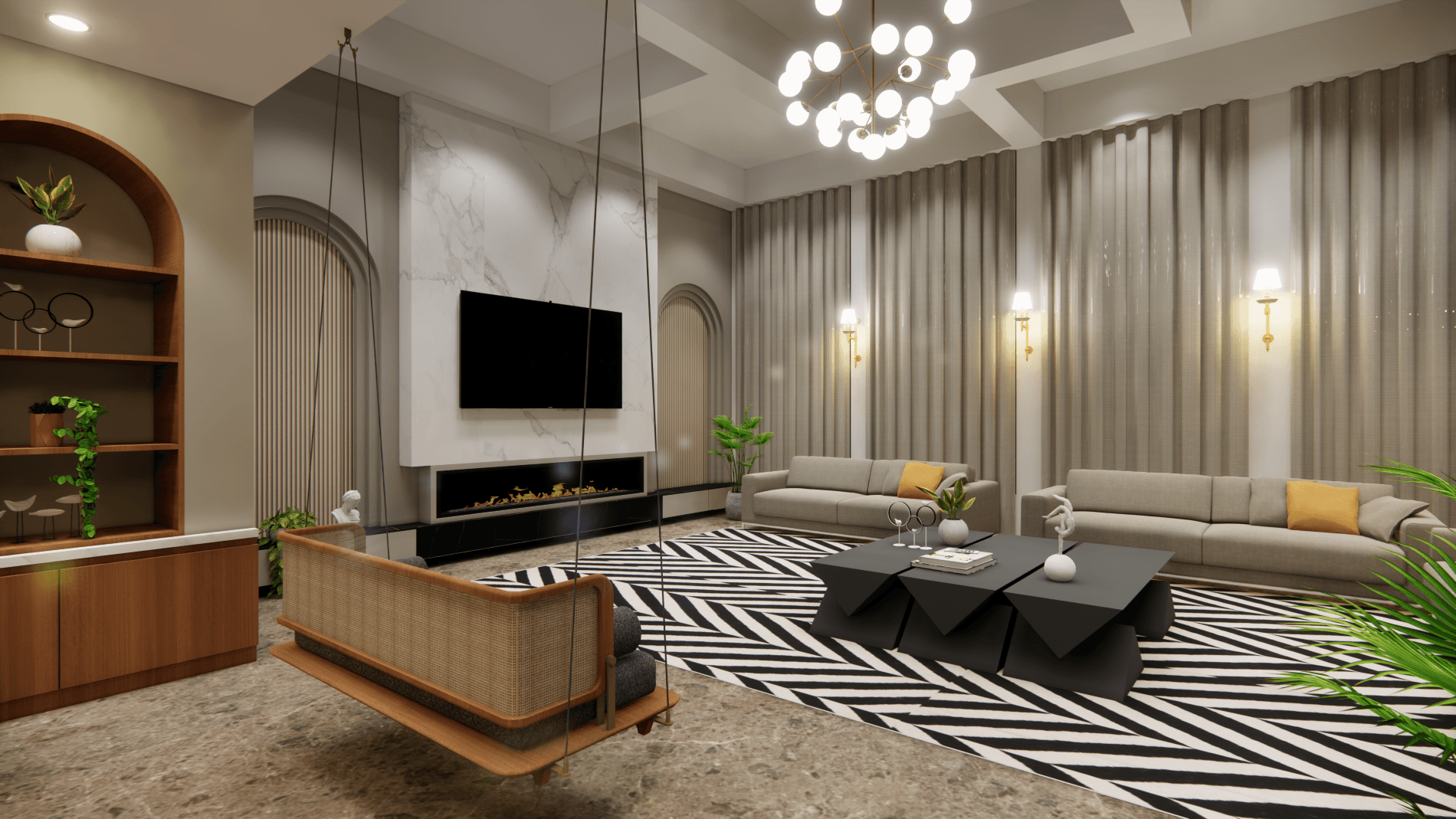
Minimalist design continues to dominate modern homes, but the style has shifted dramatically. Instead of stark white walls and empty spaces, homeowners now prefer warm minimalism—a balance of simplicity with texture, natural tones, and comfort.
Layered materials such as stone, wood, and matte finishes create depth while maintaining clean lines. Designers are focusing on spaces that feel calm and livable rather than overly clinical. Community discussions on emerging 2026 interiors also highlight fluted wood panels, marble countertops, matte surfaces, and concealed hardware as defining elements of this softer minimalist look.
At the same time, older minimalist choices like all-white kitchens, excessive recessed lighting, and gray flooring are quickly losing appeal as homeowners shift toward warmer palettes and more functional layouts.
2. Natural Materials and Authentic Textures Take Center Stage
A major theme for 2026 is authenticity. Homeowners increasingly value real, natural materials that age beautifully and add character to interiors.
Design experts note a strong return of engineered wood in oak, ash, and walnut finishes, used across cabinetry, wall panels, and ceilings to create timeless warmth while supporting sustainable design goals.
Similarly, surfaces that were once purely functional—like kitchen worktops—are now bold design features, with marble-look laminates, terrazzo patterns, and concrete finishes shaping the visual identity of modern kitchens and bathrooms.
This shift reflects a broader desire for homes that feel grounded, tactile, and connected to nature.
3. Smarter Kitchens Designed Around Real Life
Kitchens in 2026 are evolving beyond traditional layouts. Instead of generic designs, homeowners want highly personalized, workflow-focused spaces that match their routines.
Modern luxury kitchens now include:
- Hidden prep areas and appliance garages
- Dedicated coffee or bar stations
- Breakfast counters and flexible zones
- Integrated lighting and handleless cabinetry
These features create intuitive spaces where every drawer, shelf, and corner serves a purpose, improving both efficiency and everyday comfort.
4. Flexible Layouts Replace Fully Open Floor Plans
Open-concept living dominated the last decade, but 2026 design thinking is more nuanced. Completely open layouts can reduce privacy, create noise issues, and limit functional zoning.
Design experts now recommend broken-plan or flexible layouts that maintain openness while subtly separating spaces through partitions, furniture placement, or lighting strategies. This shift improves usability and long-term livability.
Homes are becoming more adaptable—capable of supporting work, relaxation, entertainment, and family life within the same footprint.
5. Sustainability Becomes a Core Design Principle
Sustainability is no longer optional—it is central to modern architecture.
Research into energy-efficient housing shows that optimized building shapes and compact forms can significantly reduce construction costs and long-term energy demand, proving how design geometry directly affects sustainability.
Advances in AI-assisted design are also helping architects evaluate material carbon impact and environmental performance during the early design stage, enabling more eco-responsible decisions.
Together, these innovations signal a future where beautiful homes are also environmentally intelligent.
6. Smart Technology Blends Seamlessly Into Design
Technology in 2026 homes is becoming invisible yet powerful.
Rather than obvious gadgets, smart features are now integrated into:
- Lighting systems
- Climate control
- Security and monitoring
- Indoor gardening and plant care
Emerging intelligent indoor-gardening systems combine sensors, imaging, and machine learning to monitor plant health and optimize water use—demonstrating how smart homes can support sustainability and well-being simultaneously.
The goal is simple: technology should enhance life without disrupting design.
7. Rich, Earth-Inspired Color Palettes
Color trends are shifting toward warm, grounded tones that create emotional comfort.
Popular 2026 palettes include:
- Olive green
- Taupe and deep brown
- Muted blues
- Soft warm neutrals
These hues build continuity throughout interiors while avoiding the coldness of past gray-dominated schemes.
8. Statement Surfaces and Subtle Luxury
Modern luxury is becoming quieter and more refined.
Instead of flashy decoration, designers are using:
- Textured stone
- Patterned countertops
- Terrazzo and concrete finishes
- Minimal yet high-quality detailing
These elements create sophistication through material quality rather than ornamentation, aligning with the broader shift toward timeless design.
9. Design Guided by Data and Human Experience
Perhaps the most important trend of 2026 is the fusion of technology, sustainability, and human-centered design.
AI tools, environmental metrics, and smart monitoring systems are enabling architects to design homes that are:
- Energy efficient
- Environmentally responsible
- Comfortable and personalized
This data-driven approach is reshaping the future of residential architecture.
Conclusion: Designing Homes for the Future
Modern home design in 2026 is defined by warm minimalism, sustainability, smart technology, and personalized functionality. Homes are no longer just places to live—they are intelligent environments designed to support well-being, efficiency, and long-term value.
By embracing these trends, homeowners can create spaces that feel contemporary today while remaining timeless for decades.