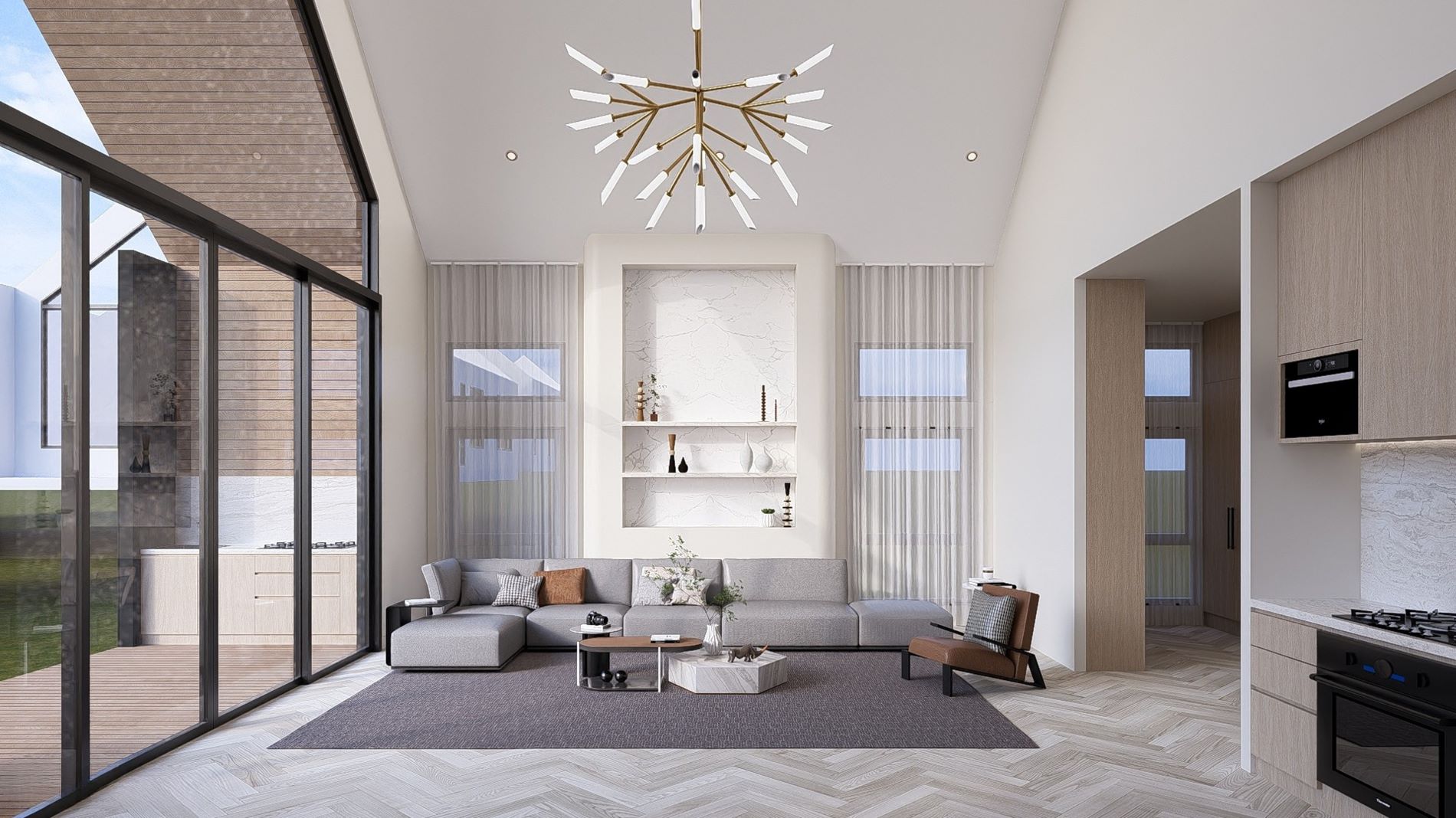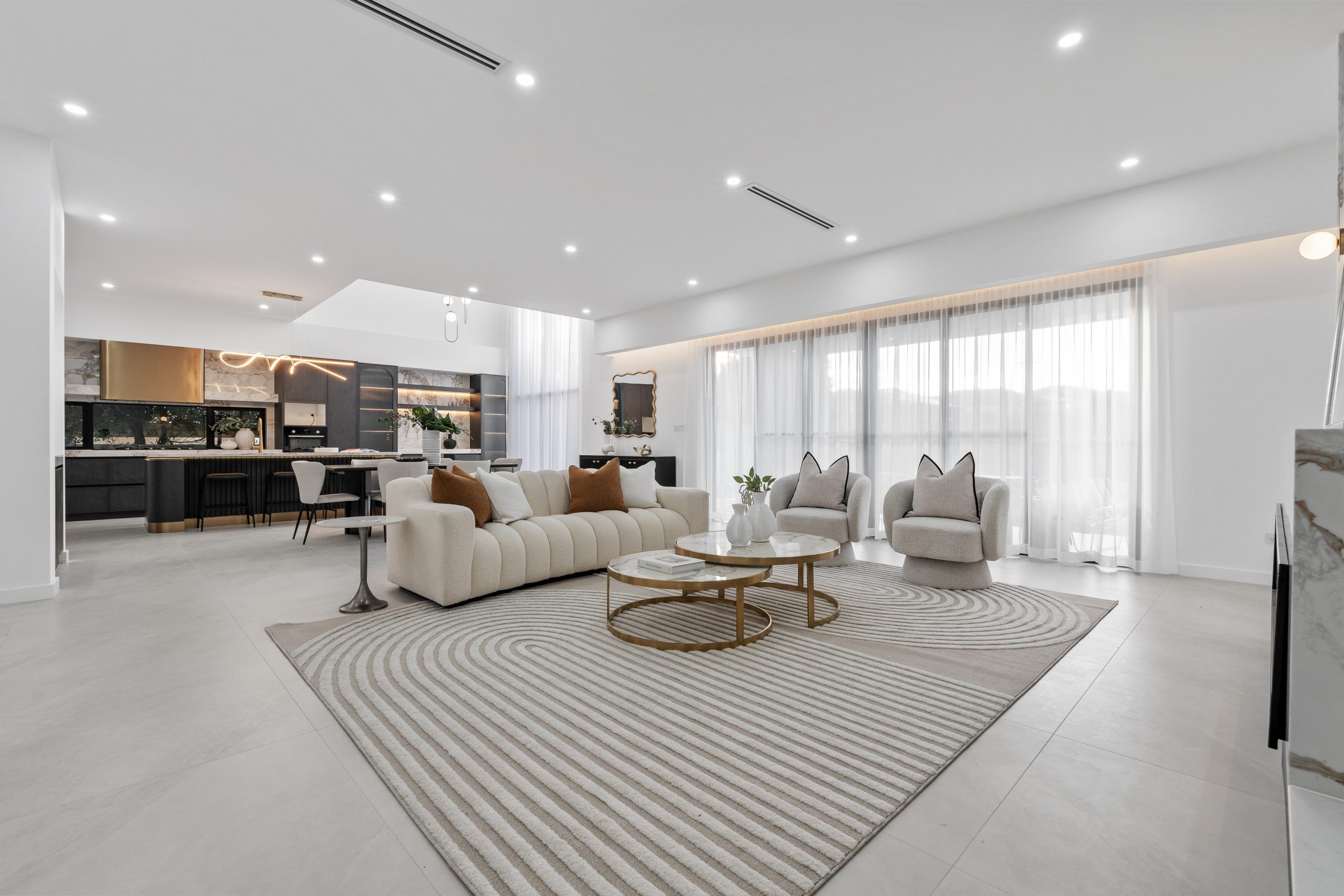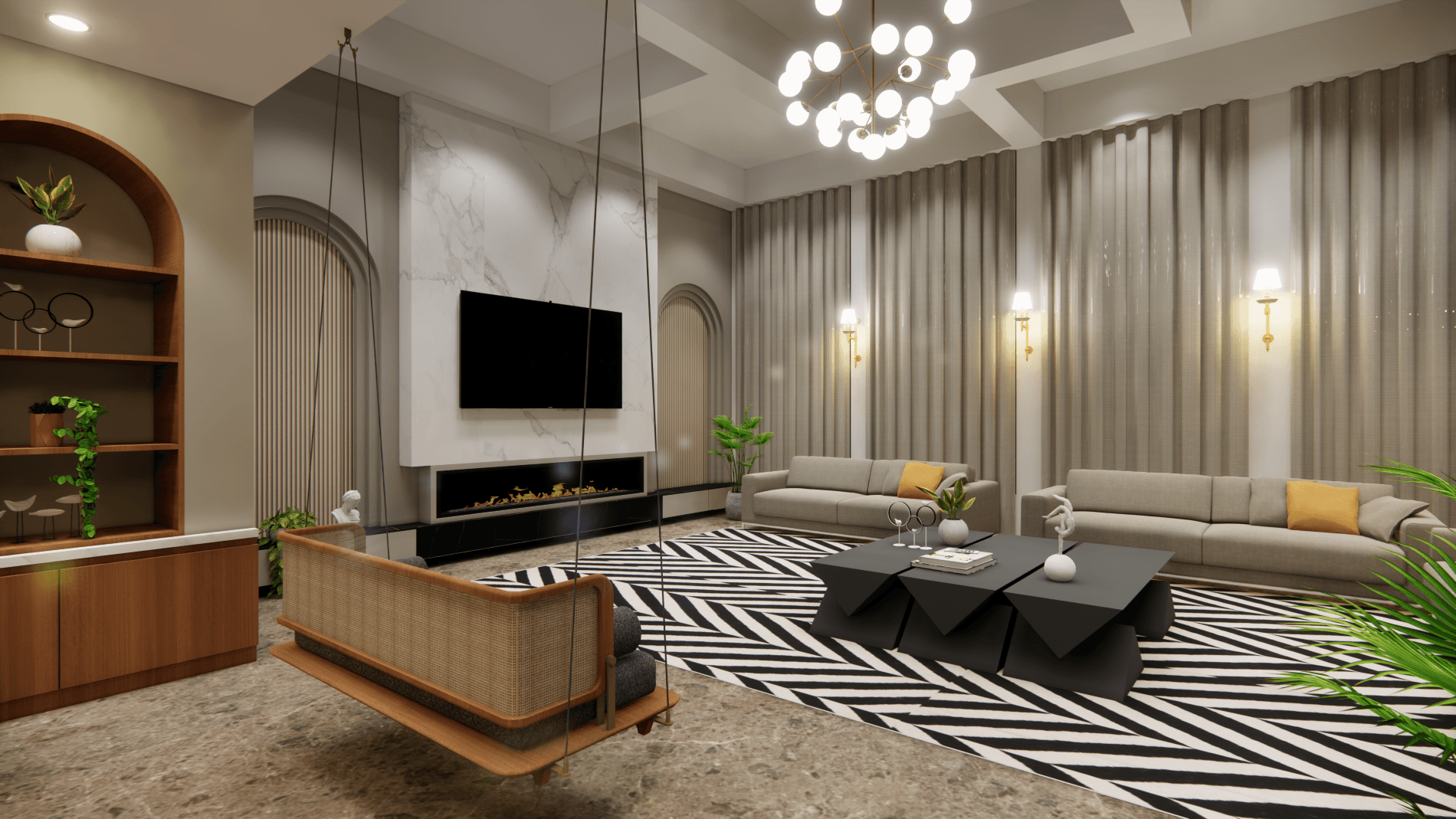
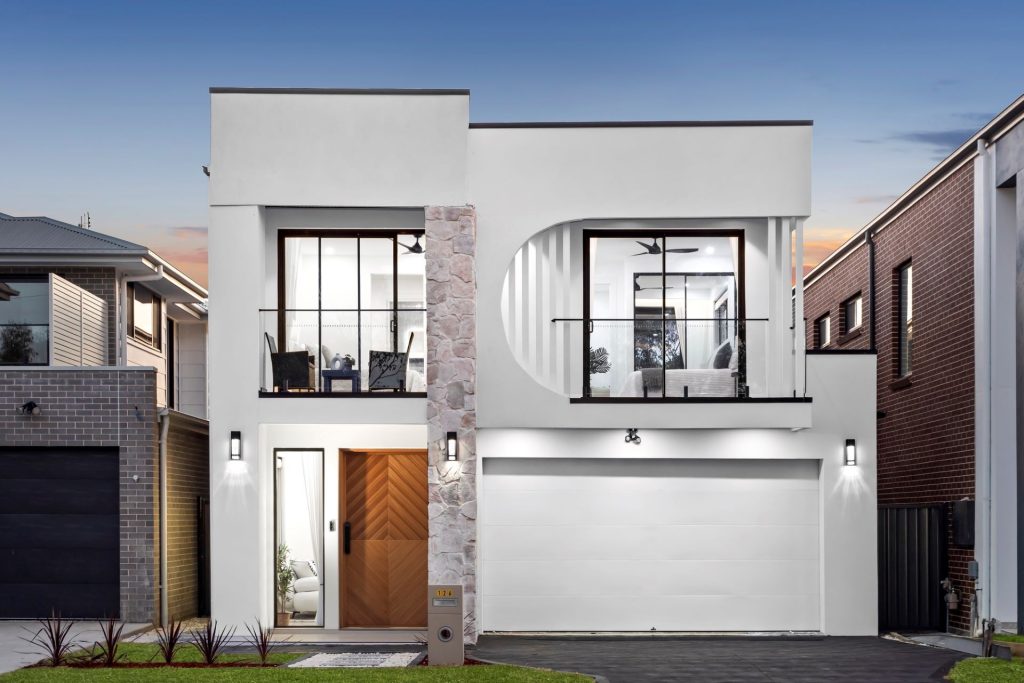
Building a home today is no longer just about comfort, style, or space—it is also about responsibility. As energy costs rise and environmental concerns grow, homeowners are increasingly choosing sustainable and energy-efficient home construction. A thoughtfully designed sustainable home reduces long-term expenses, improves indoor comfort, and minimizes environmental impact, making it a smart investment for both present and future generations.
Sustainable home building does not always require expensive technology or complex systems. With the right planning, materials, and design strategies, you can create a home that is efficient, healthy, and environmentally friendly while still reflecting your personal lifestyle and aesthetic preferences.
This guide explores the most important principles, practical tips, and long-term benefits of building a truly sustainable home.
Understanding Sustainable Home Building
Sustainable home building focuses on reducing environmental impact while improving energy efficiency, durability, and indoor well-being. It considers the entire lifecycle of a home—from construction materials and design orientation to daily energy consumption and maintenance.
A sustainable home typically aims to:
- Use fewer natural resources
- Reduce energy and water consumption
- Minimize waste and pollution
- Provide healthier indoor air quality
- Lower long-term operating costs
Rather than being a luxury trend, sustainability is becoming a standard expectation in modern residential construction.
Smart Site Selection and Home Orientation
One of the most overlooked yet powerful sustainability strategies begins before construction even starts—choosing the right site and orienting the home correctly.
Proper orientation allows your home to:
- Receive maximum natural daylight
- Improve cross-ventilation and airflow
- Reduce dependence on artificial lighting and cooling
- Maintain comfortable indoor temperatures year-round
Designing living spaces to capture morning sunlight while minimizing harsh afternoon heat can significantly lower electricity usage. Even simple planning decisions at this early stage can create lifelong energy savings.
Choosing Eco-Friendly Building Materials
Construction materials play a major role in sustainability. Traditional materials often require high energy to produce and may release harmful chemicals over time. Sustainable homes prioritize low-impact, durable, and locally sourced materials.
Popular eco-friendly material choices include:
- Fly-ash or AAC blocks that improve insulation and reduce cement use
- Recycled steel and responsibly sourced wood
- Low-VOC paints and finishes for healthier indoor air
- Natural stone, bamboo, or reclaimed wood for interiors
Durable materials also extend the lifespan of the structure, reducing the need for repairs and replacements—another key aspect of sustainability.
Energy-Efficient Building Design
Good design is the foundation of an energy-efficient home. Even without advanced technology, passive design strategies can dramatically reduce energy consumption.
Important design features include:
- Proper wall insulation to maintain indoor temperature
- Energy-efficient windows with double glazing
- Shading devices such as overhangs or louvers
- Open layouts that enhance airflow and daylight
These features work together to reduce reliance on air conditioning, heating, and artificial lighting—leading to lower electricity bills for decades.
Solar Power and Renewable Energy Solutions
One of the most effective ways to build a sustainable home is by integrating renewable energy systems, especially solar power.
Solar panels can:
- Generate clean electricity
- Reduce monthly utility costs
- Provide energy independence
- Increase long-term property value
In many regions, solar systems pay for themselves within a few years through energy savings. Pairing solar panels with battery storage or smart energy management systems can further improve efficiency and reliability.
Renewable energy is no longer a futuristic concept—it is a practical and financially wise choice for modern homeowners.
Water Conservation and Management
Sustainability also involves responsible water usage, which is becoming increasingly important worldwide.
Effective water-saving strategies include:
- Rainwater harvesting systems for gardening and household use
- Low-flow faucets, showers, and dual-flush toilets
- Efficient irrigation methods such as drip systems
- Greywater recycling for landscaping
These solutions reduce dependence on municipal water supply while lowering utility bills. Over time, water-efficient homes contribute significantly to environmental conservation.
Improving Indoor Air Quality and Health
A sustainable home is not only energy efficient—it is also healthier to live in. Indoor air quality directly affects comfort, productivity, and long-term well-being.
Ways to improve indoor health include:
- Using low-toxic paints, adhesives, and finishes
- Ensuring proper ventilation and airflow
- Incorporating indoor plants for natural purification
- Avoiding moisture buildup that leads to mold
Natural lighting and fresh air also enhance mood and reduce stress, creating a living environment that supports both physical and mental wellness.
Smart Home Technology for Efficiency
Modern smart home systems make sustainability easier to manage. Technology can automatically control lighting, temperature, and energy consumption based on real-time usage.
Common smart efficiency features include:
- Programmable thermostats
- Motion-sensor lighting
- Energy monitoring systems
- Automated shading and ventilation
These systems prevent unnecessary energy waste while improving daily convenience. Over time, smart automation leads to significant cost savings and a reduced carbon footprint.
Long-Term Cost Benefits of Sustainable Homes
Some homeowners worry that sustainable construction is expensive. While certain features may increase initial construction cost, the long-term financial benefits are substantial.
Sustainable homes typically provide:
- Lower electricity and water bills
- Reduced maintenance and repair costs
- Higher property resale value
- Greater durability and lifespan
When viewed over 10–20 years, energy-efficient homes are often more economical than conventional construction. Sustainability is not just environmentally responsible—it is financially smart.
Future-Ready and Climate-Responsive Design
Climate conditions are changing, making future-ready home design increasingly important. Sustainable homes are better prepared to handle temperature extremes, water shortages, and rising energy costs.
Future-focused features may include:
- Roof insulation and reflective surfaces to reduce heat gain
- Stormwater management and drainage planning
- Flexible spaces that adapt to lifestyle changes
- Infrastructure for electric vehicle charging or additional solar panels
Designing with the future in mind ensures your home remains comfortable, efficient, and valuable for many years.
Simple Steps to Start Your Sustainable Home Journey
If you are planning to build a sustainable home, begin with these practical steps:
- Work with professionals experienced in energy-efficient design.
- Plan orientation, ventilation, and daylight from the beginning.
- Invest in insulation, efficient windows, and quality materials.
- Include solar energy and water-saving systems where possible.
- Use smart technology to monitor and reduce energy usage.
Small, thoughtful decisions made early can create major long-term impact.
Final Thoughts
Sustainable home building is more than a design trend—it is a responsible approach to modern living. By combining energy efficiency, eco-friendly materials, smart technology, and climate-responsive design, homeowners can create spaces that are comfortable, economical, and environmentally conscious.
A sustainable home reduces utility costs, improves health, and protects natural resources while offering lasting value for future generations. Whether you are building a compact residence or a large custom home, integrating sustainability into your design ensures that your investment is not only beautiful—but also meaningful and future-ready.
Building responsibly today creates a better tomorrow, starting right at home.